
BED BUGS
VerdX Pest Control provides bed bug treatment and removal for homes and businesses around Atlanta, Nashville, and the surrounding towns. Bed bugs are stubborn; they hide in places you would never think to look, and they multiply while you sleep. Our technicians find every stage of the infestation, treat it at the source, and come back to confirm the problem is gone.
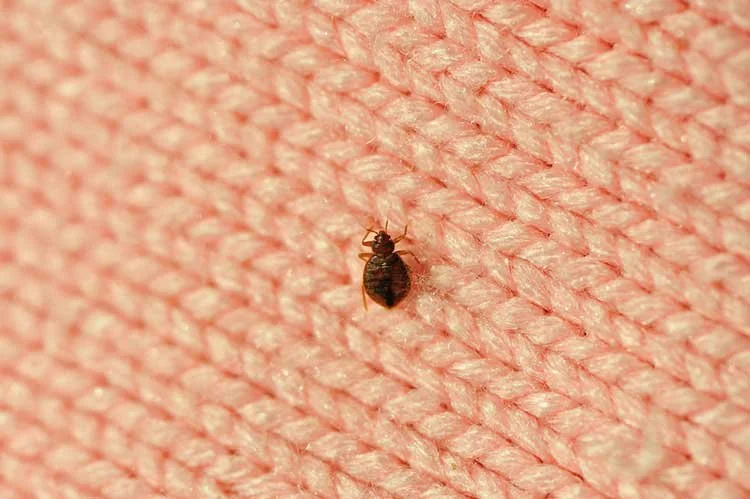
Why Bed Bugs Are So Hard to Beat
Few pests frustrate people like bed bugs. They are the size of an apple seed, flatten themselves into seams and cracks, and feed at night while you rest, which makes them easy to miss until the bites add up. A single female can lay hundreds of eggs in her lifetime, so a few hitchhikers turn into a full infestation within weeks. Store sprays only reach the bugs out in the open and leave the hidden eggs and nymphs untouched, which is why do-it-yourself efforts so often fail, and the problem comes roaring back.
Signs of a Bed Bug Infestation
Bed bugs stay hidden, so the evidence usually shows up on your sheets and skin before you spot the insects. A few signs point to a problem.
Small, itchy bed bug bites, often in a line or cluster on exposed skin
Rusty or reddish blood spots on sheets, pillowcases, or the mattress
Dark, ink-like fecal specks along seams, tufts, and the box spring
Pale shed skins or tiny white eggs tucked into cracks and folds
A faint, sweet, musty odor in a heavily infested room
Bites alone do not confirm bed bugs, since they look like plenty of other insect bites, so a professional bed bug inspection is the surest way to know what you are dealing with.
Where Bed Bugs Come From
Bed bugs are travelers. They hitch rides on luggage, secondhand furniture, clothing, and bags, then settle into the nearest mattress or couch. A hotel stay, a used dresser, or a guest's overnight bag is all it takes. They are not a sign of poor housekeeping, and they turn up in tidy homes, upscale hotels, and clean offices alike. That mobility is also why a neighboring unit or a single infested item can reintroduce them, and why bed bug prevention leans on inspection and early action rather than luck.
How VerdX Treats
Bed Bugs
Bed bugs demand a thorough, methodical approach, not a quick spray around the bed. Our process starts with a detailed inspection of mattresses, box springs, headboards, furniture, baseboards, and the cracks in between, so we map exactly where they hide and how far they have spread.
From there, we apply targeted treatment built for the infestation in front of us, reaching the bugs, the nymphs, and the eggs across every harborage. Because bed bug eggs are so resilient, one visit is rarely the whole story. We schedule follow-up work to catch any survivors as they hatch, and the job is not finished until the activity is gone.
Good bed bug control also depends on you knowing what to expect, so your technician walks you through any simple prep before treatment and the habits that keep the bugs from coming back afterward.

Residential and Commercial Bed Bug Control
A bed bug problem at home costs you sleep. A bed bug problem in a hotel, apartment building, or office costs you reviews, tenants, and trust. VerdX handles both. Our residential bed bug treatment clears homes room by room, and our commercial bed bug treatment protects properties where word travels fast and a single report can do real damage. Either way, the same careful inspection and follow-through carry the job.
Why Homeowners
and Businesses Choose VerdX
Family-owned and operated, with decades of pest control experience behind the team
Thorough inspections that find every stage, from eggs to adults
Eco-conscious methods chosen with your family, pets, and staff in mind
Local technicians serving Atlanta and Nashville
No contracts required, plus a free inspection and a clear quote before treatment
Do Not Sleep On A Bed BUg Problem
Bed bugs never clear up on their own. Every night you wait, they feed, breed, and spread deeper into the room and beyond, turning a small problem into a costly one. If you have spotted bites, blood spots, or the bugs themselves, reach out and we will get a technician to you quickly.
Get Bed Bugs Out for Good
Bed bugs are relentless, but so is a treatment plan built to reach every last one. VerdX Pest Control delivers bed bug inspection, treatment, and follow-up for homes and businesses across Atlanta, Nashville, and the surrounding communities, with a local team that won’t quit until the bugs are gone.
Call for your free inspection, and we will build a plan around your home or business.
Atlanta: 770-334-9106 | Nashville: 615-461-5553
Frequently Asked Questions About Bed Bugs
-
Look for itchy bites in lines or clusters, rusty blood spots and dark fecal specks on bedding, and shed skins or eggs along mattress seams.
Because bites are easy to mistake, a professional bed bug inspection is a reliable way to confirm it.
-
Do-it-yourself removal rarely works. Store sprays miss the hidden eggs and nymphs, and bed bugs scatter to new hiding spots when treated poorly, which can spread the problem. Professional bed bug treatment reaches every stage and is what actually ends an infestation.
-
Heat is one of the most effective tools against bed bugs, since it reaches into the cracks where they hide and kills every stage. Your technician will recommend the right method for your situation during the inspection.
-
Bed bug extermination cost varies with the size of the space and how far the infestation has spread. We give you a clear quote after the free inspection, so there are no surprises before any work begins.
-
Most bed bug jobs need more than one visit. Eggs hatch on their own timeline, so a follow-up makes sure the newly hatched bugs are caught before they can breed again.
-
Check hotel mattresses and headboards when you travel, keep luggage off the bed and floor, inspect secondhand furniture before it comes inside, and act fast at the first sign. Early bed bug prevention beats a full treatment every time.
Serving Atlanta & Nashville
VerdX Pest Control provides residential pest control across the Atlanta, GA and Nashville, TN metro areas, including Marietta, Kennesaw, Sandy Springs, Roswell, Alpharetta, Norcross, Franklin, Brentwood, Smyrna, Murfreesboro, Spring Hill, and more.
Contact US
We serve clients in two suburb areas:
Atlanta: Marietta, Kennesaw, Sandy Springs, Buckhead, Roswell, Alpharetta, Norcross, and more.
Nashville: Spring Hill, Franklin, Brentwood, Smyrna, Murfreesboro, and beyond.
When you are ready to get started with expert pest control services, reach out to our team to schedule an inspection and request a free quote. Say goodbye to pests today! VerdX Pest Control is here to help.
615-461-5553
770-334-9106

