
Termite Mud Tubes: What They Are and Why They’re Dangerous
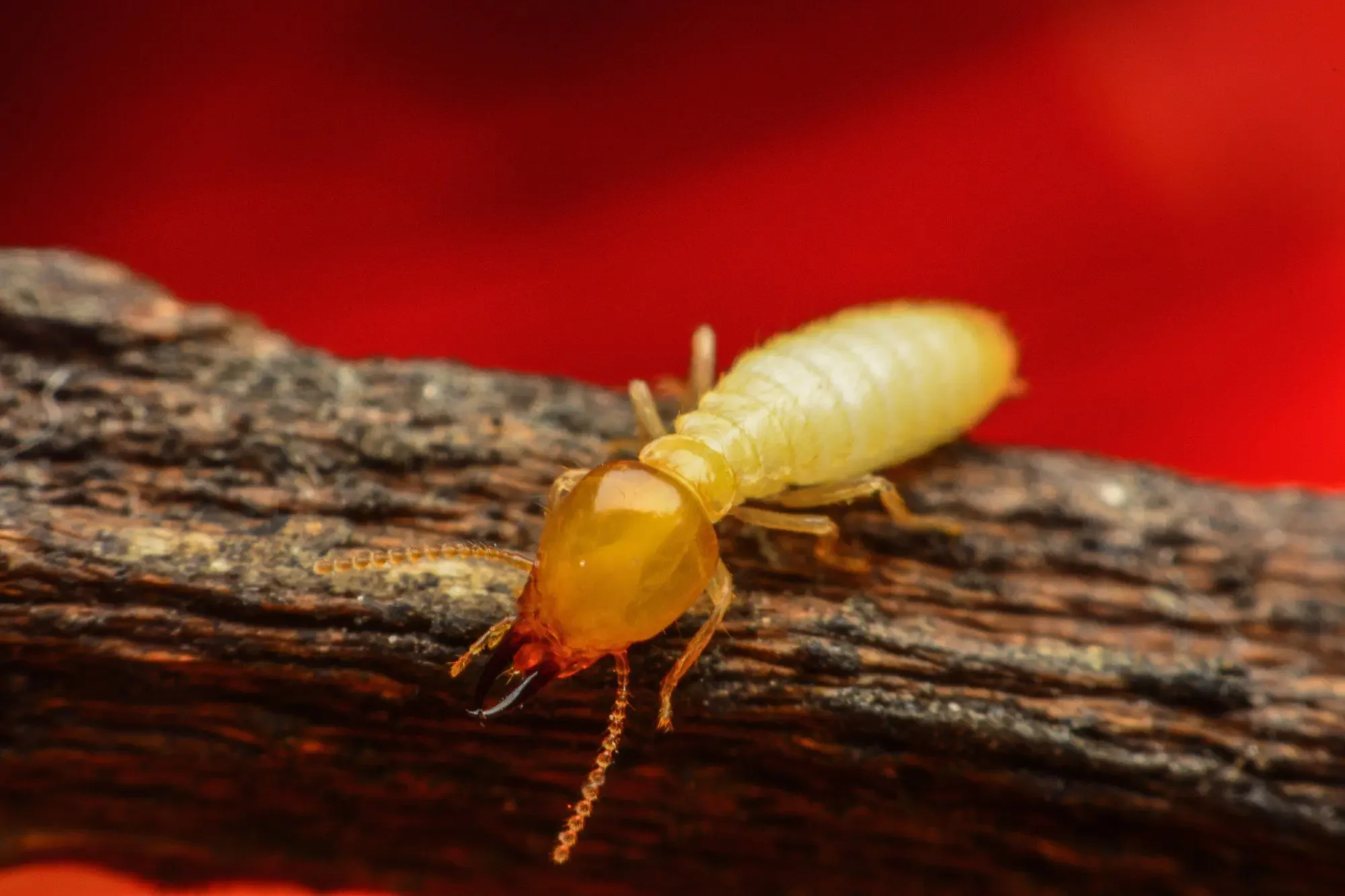
Termites are among the most destructive household pests, silently causing billions of dollars in property damage every year. One of the clearest warning signs of a termite infestation is the appearance of termite mud tubes. These small, dirt-like tunnels may look harmless at first glance, but they are often a sign of a serious structural threat to your home.
In this article, we’ll explain what termite mud tubes are, why termites build them, how to identify them, and why immediate action - including professional termites treatment from a qualified termite exterminator - is essential.
What Are Termite Mud Tubes?
Termite mud tubes, also known as shelter tubes, are narrow tunnels made from soil, wood particles, and termite saliva. Subterranean termites construct these tubes to create protected pathways between their colony (usually in the soil) and their food source (your home).
These tubes typically measure about the width of a pencil and are commonly found:
Along foundation walls
In crawl spaces
On basement walls
Around plumbing penetrations
Inside wall cavities
Along wooden beams or joists
Mud tubes allow termites to travel safely while maintaining the moist environment they need to survive. Because termites are highly sensitive to light and dry air, these tubes act as protective highways that shield them from exposure.
Why Do Termites Build Mud Tubes?
Subterranean termites live underground and require constant moisture to survive. When they locate a wooden structure, such as a house foundation or framing, they need a secure route to access it without drying out or being exposed to predators.
Mud tubes serve three key purposes:
1. Protection from Dehydration
Termites cannot survive long in open air. The mud tube maintains humidity levels that keep their bodies from drying out.
2. Shielding from Predators
Ants and other insects prey on termites. Mud tubes provide a safe, enclosed pathway that minimizes the risk of attack.
3. Concealed Access to Food
Termites consume cellulose found in wood, drywall, and other materials. Mud tubes allow them to reach and feed on wood without being easily detected.
In other words, if you see mud tubes, termites are likely already feeding on your property.
How to Identify Termite Mud Tubes
Mud tubes can sometimes be mistaken for dirt trails or water damage residue. However, there are some distinct characteristics that can help you identify them:
Color: Usually brown or earthy in tone
Texture: Hard, dried mud on the outside
Shape: Thin, tube-like structures running vertically or horizontally
Location: Often found near the foundation or wooden supports
If you break open a mud tube and see small, cream-colored insects inside, that’s a clear indication of active termites. Even if the tube appears empty, it doesn’t mean the infestation is gone. Termites may simply have relocated or rebuilt elsewhere.
This is why a professional inspection by a licensed termite exterminator is strongly recommended if mud tubes are discovered.
Why Termite Mud Tubes Are Dangerous
Mud tubes themselves don’t damage your home—but they signal the presence of a colony that does. Here’s why they’re a serious concern:
1. Structural Damage
Termites consume wood from the inside out, often leaving only a thin veneer on the surface. This makes the damage difficult to detect until it becomes severe. Over time, structural elements such as beams, joists, and support posts can become weakened, compromising the integrity of your home.
2. Rapid Colony Growth
A single termite colony can contain hundreds of thousands of members. As the colony grows, so does the level of destruction. What may begin as minor damage can quickly escalate into costly repairs.
3. Expensive Repairs
Homeowner insurance policies typically do not cover termite damage because it’s considered preventable. Without timely termites treatment, repair costs can climb into the thousands - or even tens of thousands - of dollars.
4. Hidden Infestation
Because termites operate behind walls and under floors, homeowners often don’t realize there’s a problem until mud tubes appear. By the time these tubes are visible, termites may have been feeding on the structure for months or even years.
What Happens If You Ignore Mud Tubes?
Ignoring termite mud tubes can have serious consequences:
Increased structural weakening
Spread of infestation to other areas of the home
Reduced property value
Higher treatment and repair costs
Termites don’t go away on their own. Simply scraping off the mud tubes will not eliminate the colony. Without proper termites treatment, they will rebuild the tubes and continue feeding.
Professional Termites Treatment: Why It’s Essential
When dealing with termites, DIY solutions rarely provide long-term results. Store-bought sprays may kill visible termites but won’t eliminate the colony underground.
A professional termite exterminator can:
Conduct a comprehensive inspection
Identify the species of termite
Locate the main colony
Apply targeted treatment solutions
Recommend preventative measures
Common professional termites treatment methods include:
1. Liquid Termiticides
These create a protective barrier around the foundation, killing termites on contact and preventing new infestations.
2. Baiting Systems
Strategically placed bait stations attract termites, which then carry toxic bait back to the colony, eliminating it over time.
3. Wood Treatments
Direct application of termiticides to affected wood can provide additional protection.
An experienced termite exterminator will determine the best approach based on the severity of the infestation and the structure of your home.
Preventing Future Termite Infestations
While professional treatment is crucial, prevention also plays a key role in protecting your home. Consider these preventative steps:
Eliminate wood-to-soil contact around the foundation
Repair leaks and moisture issues
Keep gutters clean and functioning properly
Store firewood away from the house
Schedule annual termite inspections
Early detection is your best defense against costly damage.
Final Thoughts
Termite mud tubes are more than just unsightly dirt lines - they are a warning sign of an active and potentially destructive infestation. These small tunnels indicate that termites are already accessing and feeding on your property.
Ignoring mud tubes can lead to serious structural damage, expensive repairs, and long-term consequences. The moment you notice them, it’s important to act quickly. Consulting a professional termite exterminator and investing in effective termites treatment can protect your home, preserve its value, and provide peace of mind. We can get rid of many bugs and insects, also including cockroaches, fleas, spiders, ants, and much more.
